History
At our school, History is taught through the CUSP curriculum, which is carefully designed to help pupils develop a deep and secure understanding of the past.
The curriculum is structured so that knowledge is built over time. Key concepts are deliberately revisited across year groups, allowing pupils to strengthen and deepen their understanding and commit learning to their long-term memory.
A strong emphasis is placed on both what pupils know and how they think as historians. Pupils develop substantive knowledge (the facts, concepts and vocabulary about the past) alongside disciplinary knowledge (how historians investigate, interpret and make sense of evidence).
Key concepts such as power, community and trade are explored throughout the curriculum, helping pupils to make connections across different periods of history. At the same time, pupils develop important historical skills such as understanding cause and consequence, identifying change and continuity, and considering different historical perspectives.
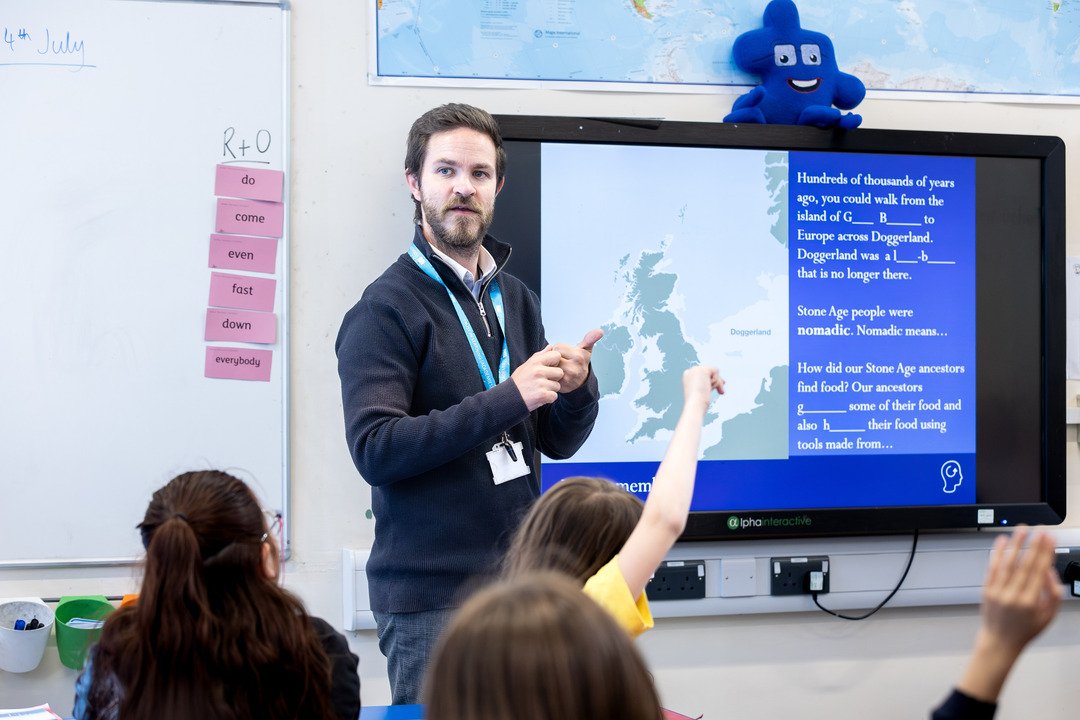
Each unit is built around a clear learning question, which gives purpose to the learning and helps pupils understand what they are working towards. Learning is broken into small, connected steps, ensuring that pupils build confidence and understanding as they progress.
Vocabulary plays a key role in the curriculum. Pupils are explicitly taught subject-specific language, enabling them to explain their ideas clearly and engage in meaningful discussion about the past.
Lessons follow a consistent structure, supporting all pupils to succeed. Knowledge organisers and visual prompts help children to recall and organise their learning, while regular retrieval practice ensures that knowledge is remembered over time.
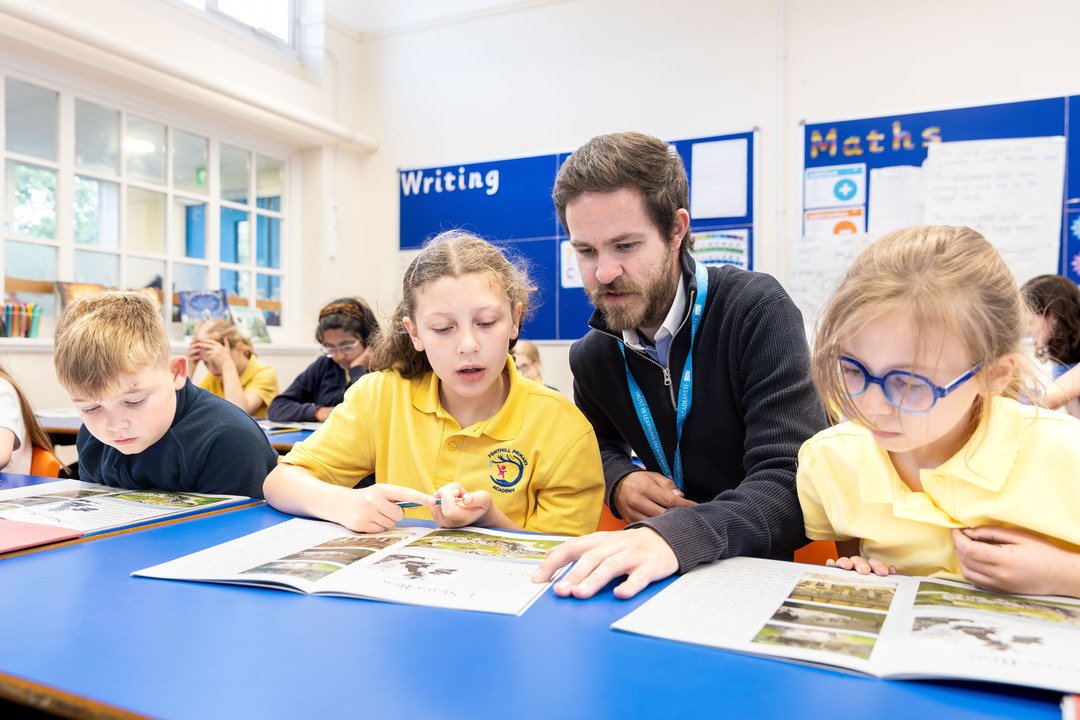
Pupils are given opportunities to work with historical sources and interpretations, encouraging them to think critically, ask questions and develop their own understanding of events and people from the past.
Our aim is to develop curious, knowledgeable and thoughtful historians who can make connections across time, understand the world they live in and appreciate how the past has shaped the present.
History: Frequently Asked Questions
What do children learn in History?
Children learn about a range of historical periods and themes, developing knowledge of key events, people and societies, alongside important historical skills.
How is History taught?
History is taught through carefully sequenced units, each built around a key question. Learning is structured so that knowledge builds over time.
How do children develop historical skills?
Children learn to think like historians by analysing sources, exploring different viewpoints and understanding how and why events happened.
How do you help children remember what they have learned?
Key knowledge and vocabulary are revisited regularly, and retrieval activities are used to help pupils remember important concepts over time.
How are children supported?
Teachers use structured lessons, visual resources and scaffolded tasks to ensure that all pupils can access the curriculum and succeed.